


How are publishers pushing Gen Z to read?
thred.com – Sunday January 18, 2026

Recent data suggests that traditional marketing for new books is steadily facing irrelevance with Gen Z. Is it the end times, or simply a shift away into less conventional formats of storytelling?
The book industry is facing a dilemma.
Recent studies suggest that teenagers and younger Gen Zers aren’t reading many books in full. College students are increasingly turning to AI tools like ChatGPT to research, curate and interpret information for them, rather than actually learning and applying knowledge independently.
That isn’t just a grouchy, older person take either; this ‘Voices of Gen Z’ study by the Walton Family Foundation reported that 35% of Gen Z students dislike reading, and 42% rarely or never read for fun. A survey by BestColleges in 2023 also found that 56% of students reported using AI tools to complete assignments and exams, with that number only likely to have risen since.
Schools are also less likely to assign full books for coursework reading today compared to decades prior, and some sources indicate that very few teenagers are reading in their down time. In fact, according to The National Centre for Education Statistics, only 14% of 13-year-olds are reading for fun, with 31% saying they never or hardly ever read.
In 2022, the National Council of Teachers of English argued that reading books in full should be less of a focus for children, with more emphasis given on ‘critically examining digital media and popular culture’ online and on screens. A UK study the same year by Renaissance Learning concluded that the total books read annually in schools declined by 4.2% for the first time over the previous twelve months, with reading difficulty flatlining or falling in secondary education.
To read the full article on thred.com, click here
 Three books, two publishers, one year...
 Ebooks: How digital publishers are 'shaking up' the industry
 Tips From Publishers: How Authors Can Improve Their Chances Of Getting Published
 Brought to book: Alison Healy on some unwise rejections of authors’ manuscripts by publishers
 ‘Soon publishers won’t stand a chance’: literary world in struggle to detect AI-written books
 Are small independent publishers doing the work for big publishers?
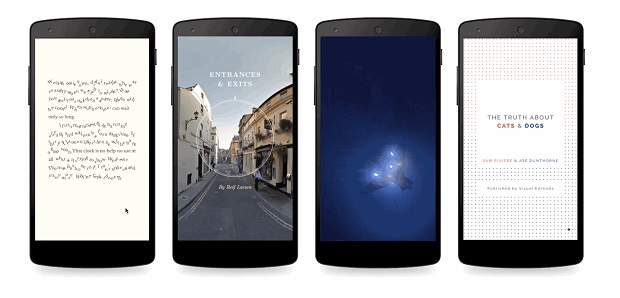 What apps next? Publishers and developers embrace 'unprintable' fiction
 What really happens to manuscripts sent to publishers?
 The idea that rude publishers force future literary stars to self-publish sounds like codswallop
 Interactive fiction and mainstream publishers (Part 1)
 The Inevitable Death of Traditional Book Publishers
 Challenges for Publishers in Uncertain Times
 Eight reasons that even a good book is rejected by publishers
 5 ways publishers can (and should) influence the rise of AI
 Publishers who want new readers must challenge their genre boundaries
 Digital isn't dead for book publishers - we're just waking up from the first hangover
 Interactive fiction and mainstream publishers (Part 2)
 Major UK and US Christian publishers unite in landmark deal
 New Literary Agent Listing: Olivia Emerick
 New Publisher Listing: RBmedia & Recorded Books
 The Ugly Review Opens Submissions for Issue II, Themed “Metamorphosis” | Submit by September 15, 2026
 HarperCollins Launches Manga Imprint
 The Vanishing Male Novelist
 Author invitation scams: How writers can spot fake offers
 New Publisher Listing: Level Up Publishing
 New Magazine Listing: The Haiku Shack Magazine
 New Literary Agent Listing: Stephanie Kim
 New Magazine Listing: Fictive Dream
 New Literary Agency Listing: Selby Howard
 New Literary Agency Listing: Renegade Literary
 New Publisher Listing: Weatherglass Books