

The evolving role of fan fiction and independent publishing
sbstatesman.com – Monday April 6, 2026
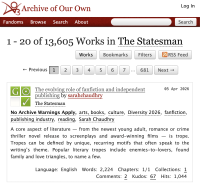
A core aspect of literature — from the newest young adult, romance or crime thriller novel release to screenplays and award-winning films — is trope. Tropes can be defined by unique, recurring motifs that often speak to the writing’s theme. Popular literary tropes include enemies-to-lovers, found family and love triangles, to name a few.
A place where tropes have always thrived are fan fiction platforms, particularly Wattpad and Archive of Our Own. In the past decade alone, the number of fan fiction uploads and fan fiction engagement has increased exponentially. In 2014, AO3 hit one million published works. In 2018, the platform was home to over four million works. As of early 2026, the site reports hosting over 17 million fanfics.
However, for active engagers in fan fiction communities, it’s undeniable that these fandoms feel less active than they did five years ago. This can be attributed to a wide range of reasons — fandom engagement, the rise of “niche” communities and a new approach to appreciating fan fiction stories — particularly the tendency to hyperfocus on tropes.
New readers make a habit of moving quickly from piece to piece, consuming only to leave “kudos,” the AO3 equivalent of likes, while barely leaving comments or actually reading the entire story.
As popular as this community is, especially in the digital age, fan fiction is seldom spoken about in literary circles. Some claim systemic propagation plays a role in this. Fan fiction is often associated with secrecy as it lends itself to mockery, especially since it is a female-dominated medium.
To read the full article on sbstatesman.com, click here
 The surprising joys of independent publishing
 Jupiter Phaeton, the self-publishing powerhouse rewriting the rules of fantasy fiction
 Fantasy becomes reality for next-gen speculative fiction authors riding self-publishing boom
 How I got a publishing deal - An interview with author, Rachel North
 Self-Publishing Update
 What Was Literary Fiction?
 The Rise of Indie Authors: Why Self-Publishing is Booming in 2025
 Meeting the publishers – self-publishing vs a publishing house
 Staying positive about publishing
 The New Indie and the Self-Publishing Revolution
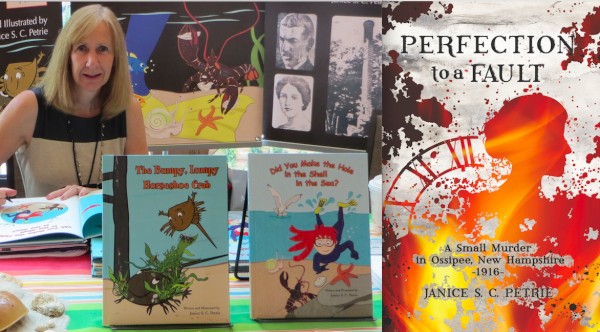 Want to Succeed at Self-Publishing? Harness Your Passion: Tips from an Indie Author
 Interactive fiction and mainstream publishers (Part 2)
 'Ridiculed and not taken seriously': why fan fiction deserves more credit
 Debut fiction by women shook up the Indian literary scene in 2019
 How to publish a book: The publishing process, explained
 Publishing is a $26 billion industry, with self-publishing growing as a popular side hustle
 ‘A place where you can be unruly’: Editor Brian Trapp on why Northwest Review and literary magazines matter
 HarperCollins, Hachette and Simon & Schuster quietly hand book copy to chatbots
 'Human-authored' book labels gain ground amid AI scandals
 New Literary Agent Listing: Jenny Lewis
 New Publisher Listing: Fidelis Books
 UK publishers unite behind major campaign championing print
 New Literary Agency Listing: Blueprint Literary
 JK Rowling’s agent launches a new chapter for muted writers
 Brockhall author calls on local writers to get in touch after launching literary agency
 New Publisher Listing: KiN-TXT
 Maidstone LitFest 2026: Sian Williams, Helen McGinn, Adele Parks plus children’s authors Onjali Q. Raúf and Harriet Muncaster
 Publishing industry lays down AI rules to counter 'click-to-publish' books
 Obituary: Edite Kroll