


Dreaming of writing your novel this year? Rip up all the rules!
theguardian.com – Saturday January 3, 2026

After 35 years of teaching fiction writing, the prize-winning author shares her wisdom. First tip? Don’t write what you know…
Beginning
I don’t think it’s a bad thing to want to write a first sentence so idiosyncratic, so indelible, so entirely your own that it makes people sit up or reach for a pen or say to a beloved: “Listen to this.” A first line needn’t be ornate or long. It needn’t grab you by the lapels and give you what for. A first line is only a demand for further attention, an invitation to the rest of the book. Whisper or bellow, a polite request or a monologue meant to repel interruption. I believe a first line should deliver some sort of pleasure by being beautiful or mysterious or funny or blunt or cryptic. Why would anyone start a novel, “It was June, and the sun was out,” which could be the first line of any novel or story? It tells you nothing. It asks nothing of you.
Not everyone agrees with me, nor do all great novels have memorable first lines. Pull books from your shelf and you’ll find plenty that start with a month or day of the week plus the weather. Maybe there’s a good argument: if you orient your reader on some level immediately, they will be ready for disorientation on others. Flatness can be a screen upon which brightness may be projected. Disorientation is one of the duties of fiction.
No, I insist. A generic first line is a failure of nerve.
To read the full article on theguardian.com, click here
 Why I Make Rules for My Writing Students—And Why I Break Them
 At the start of this year, I could barely sell my writing. These 10 online classes, books, and podcasts helped me get published in The New York Times and land 2 literary agents.
 Three books, two publishers, one year...
 Steven Pinker: 'Many of the alleged rules of writing are actually superstitions'
 University of Utah offers year-long novel-writing course
 Rules of writing from an international best seller
 Turning Pages: When it's good to break the writing rules
 Writing contest etiquette
 5 Tips for Submitting Creative Writing
 Rude awakening: three essential rules for writing good sex
 Philip Pullman: Rules of writing from man behind His Dark Materials
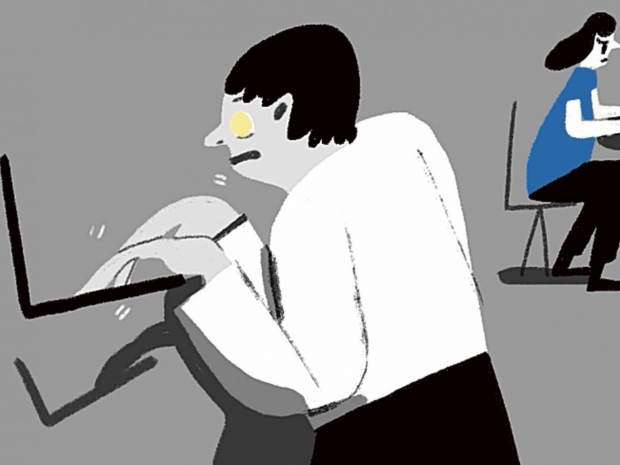 Writing books is not a sane way to make a living
 Winning writing competitions
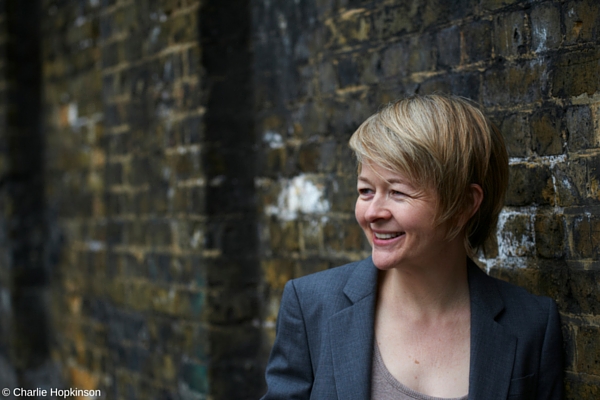 Sarah Waters, Ross Raisin, Adam Foulds, Andrew Cowan, Helen Simpson share writing tips, favourite books by young writers
 Tips on writing fiction
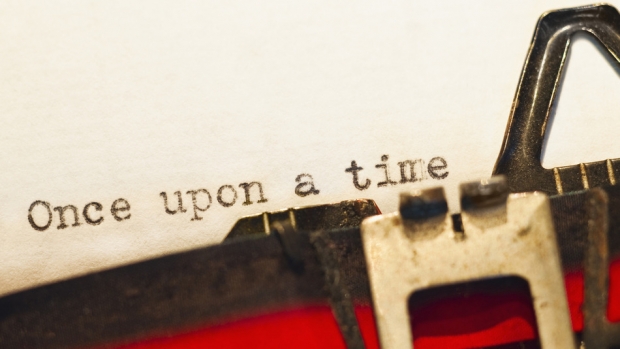 9 ways to trick yourself into writing a novel
 Thematic writing: a method
 The seven stages of writing a novel
 New Literary Agent Listing: Jenny Lewis
 New Publisher Listing: Fidelis Books
 UK publishers unite behind major campaign championing print
 New Literary Agency Listing: Blueprint Literary
 JK Rowling’s agent launches a new chapter for muted writers
 Brockhall author calls on local writers to get in touch after launching literary agency
 New Publisher Listing: KiN-TXT
 Maidstone LitFest 2026: Sian Williams, Helen McGinn, Adele Parks plus children’s authors Onjali Q. Raúf and Harriet Muncaster
 Publishing industry lays down AI rules to counter 'click-to-publish' books
 Obituary: Edite Kroll
 New Literary Agent Listing: Ellen Scott
 Quest is a highly designed sci-fi and fantasy magazine built for web fiction
 New Publisher Listing: Iron Stream