


You Have Permission: Elizabeth-Jane Burnett on Creating Space for Experimental Writing
womensprize.com – Thursday June 18, 2026
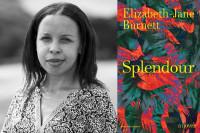
Through my career of teaching and sharing writing, the response I have heard most is “I didn’t know you could do that.” Too often, even without realising it, we restrict ourselves into categories, genres, forms, sometimes even thoughts, that were not of our own making. We have shrunk our writing even before picking up a pen or starting to type.
It’s an internal shrinkage that’s somewhat different to imposter syndrome, where we may know what we’re striving for but aren’t sure we have the right tools or accomplishments to achieve it. It is a diminishing that comes from not realising that alternative options even exist. If imposter syndrome is a hesitation to move forwards, then permission-giving is someone taking off the blinkers so that we can see, and move, in all directions.
One of my biggest early permission-givers was a literary scene rather than a person – in the transatlantic US and UK experimental poetry communities of the 1960s, I found a freedom in form and in the means of production that gave me a pathway – and permission – for expression that felt more fluid than more mainstream modes of writing. In the UK, a wide range of styles, including visual and sound poetries, were involved in what US poet Eric Mottram called the British Poetry Revival. A lot of this writing was distributed by way of the “mimeo revolution” that saw poets taking control of their own publishing.
To read the full article on womensprize.com, click here
 Murder mystery author Jane Harper has six tips for writing a bestselling novel
 How I write: Screenwriter Kathryn Burnett on why a writing career is a marathon not a sprint
 Irish novelist Elizabeth Reapy give her tips on writing a page-turner
 Author Myke Cole talks writing hard science fiction in his space-set Coast Guard novel Sixteenth Watch
 "The key to creating a character is in the detail": writing advice from best-selling author Jennie Godfrey
 'Annihilation' Author Jeff VanderMeer Shares the Secrets to Writing Great Imaginative Fiction
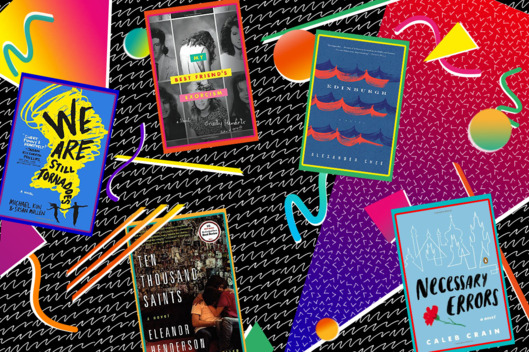 How Do You Capture the 1980s in Writing? Six Novelists Discuss Re-creating the Decade
 Hilary Mantel, Lee Child, Elizabeth Day and more novelists reveal their secret writing habits
 Thematic writing: a method
 A Simple 4-Step Process for Writing Your First Book in 100 Days
 4 Ways Good Editors Improve the Freelance Writing Experience
 My writing competition success - An interview with writer, Angela Gloker
 Making a success of your writing
 PEOPLE TO PEOPLE, Elizabeth Ann Atkins on coaching new writers through their first book
 13 Writing Tips From J.K. Rowling, Because She Knows A Thing Or Two About Perseverance
 How Jonathan Ames Approaches Writing for TV
 7 Details to Consider When Writing Historical Fiction
 Major UK and US Christian publishers unite in landmark deal
 New Literary Agent Listing: Olivia Emerick
 New Publisher Listing: RBmedia & Recorded Books
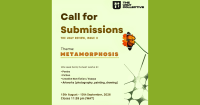 The Ugly Review Opens Submissions for Issue II, Themed “Metamorphosis” | Submit by September 15, 2026
 HarperCollins Launches Manga Imprint
 The Vanishing Male Novelist
 Author invitation scams: How writers can spot fake offers
 New Publisher Listing: Level Up Publishing
 New Magazine Listing: The Haiku Shack Magazine
 New Literary Agent Listing: Stephanie Kim
 New Magazine Listing: Fictive Dream
 New Literary Agency Listing: Selby Howard
 New Literary Agency Listing: Renegade Literary
 New Publisher Listing: Weatherglass Books