


I tried the AI novel-writing tool everyone hates, and it’s better than I expected
theverge.com – Wednesday May 24, 2023

Last week, generative fiction tool Sudowrite launched a system for writing whole novels. Called Story Engine, it’s another shot in the ongoing culture war between artists and AI developers — one side infuriated by what feels like a devaluation of their craft, the other insisting that it’s a tool for unlocking creativity and breaking writer’s block. Neither answered the question I was really curious about: does it work?
Well, I didn’t take on Sudowrite’s pitch of a full novel in a few days. But over the weekend, I generated a novella written entirely inside Story Engine — it’s called The Electric Sea at the AI’s suggestion, and you can read the whole thing on Tumblr.
I’m not sure how I feel about it.
I’m an enthusiastic, if strictly amateur, fiction writer. I wrote somewhere north of 150,000 words of unpublished fiction last year, so Sudowrite’s “break writer’s block” pitch isn’t that compelling to me. Writing, however, is not a task I hold inherently sacred. The field has a long and proud tradition of hastily written profit-driven trash, from Ed Wood’s churned-out erotica to the infamous pulp publisher Badger Books, known for handing authors a cover and asking them to write a book around it. I enjoy seeing where large language models’ strengths and weaknesses lie, and I’ve long been fascinated by challenges like NaNoGenMo, which asked writers to create an AI-generated novel in the days before modern generative AI. So on Saturday morning I paid for 90,000 words of Sudowrite text, booted it up, and “wrote” a roughly 22,500-word cyberpunk novella by Sunday afternoon.
To read the full article on theverge.com, click here
 My writing competition success - An interview with writer, Jerry Ryan
 My writing competition success - An interview with writer, Angela Gloker
 Sharing the writing experience... online
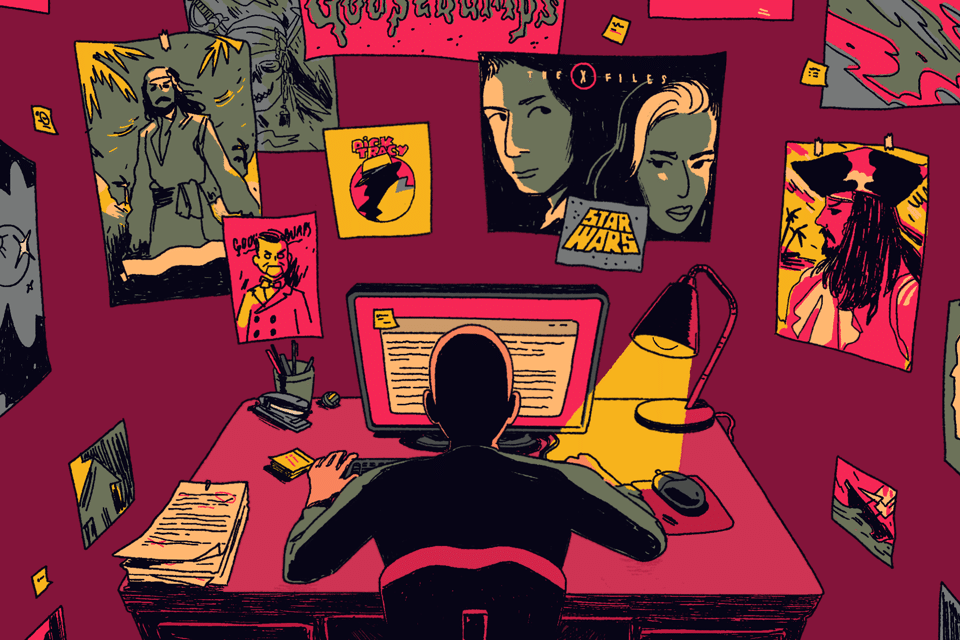 Writing in Someone Else’s World
 AI Reveals the Most Human Parts of Writing
 3 writing tools to use and 3 to avoid: What I've learned writing 55,000 words of my fantasy novel
 ChatGPT for Creative Writing: Unleashing Your Imagination in 2024
 Finding Your Writing Flow After NaNoWriMo
 What we learned about... non-fiction writing
 How Mindfulness Can Transform Your Writing Life
 Pete Kalu’s top tips for writing non-cliched multicultural characters
 What I learned from writing over 800,000 words in two years
 What Has Surprised You About The Writing Life? Intriguing Answers From Acclaimed Authors
 What Writing His First Novel Taught Author Ted Bell About Writing His Ninth Novel
 Writing books is not a sane way to make a living
 My Writing Education: A Time Line
 5 Truths to Contemplate Before You Start Writing Your Book
 Major UK and US Christian publishers unite in landmark deal
 New Literary Agent Listing: Olivia Emerick
 New Publisher Listing: RBmedia & Recorded Books
 The Ugly Review Opens Submissions for Issue II, Themed “Metamorphosis” | Submit by September 15, 2026
 HarperCollins Launches Manga Imprint
 The Vanishing Male Novelist
 Author invitation scams: How writers can spot fake offers
 New Publisher Listing: Level Up Publishing
 New Magazine Listing: The Haiku Shack Magazine
 New Literary Agent Listing: Stephanie Kim
 New Magazine Listing: Fictive Dream
 New Literary Agency Listing: Selby Howard
 New Literary Agency Listing: Renegade Literary
 New Publisher Listing: Weatherglass Books